Household rubbish removal near Brunel University Uxbridge
Posted on 12/08/2026

Household rubbish removal near Brunel University Uxbridge: a practical local guide
If you live, study, rent, or manage a property near Brunel University in Uxbridge, rubbish has a way of building up quietly. One broken chair, a few black bags after a clear-out, an old mattress that has been leaning against the wall for weeks... and suddenly the place feels crowded. Household rubbish removal near Brunel University Uxbridge is really about getting that space back without stress, mess, or awkward lifting.
In a busy part of west London, timing matters. So does access. So does choosing the right removal approach for flats, shared houses, student lets, family homes, and everything in between. This guide walks through how household rubbish removal works, what to expect, what to avoid, and how to make a sensible choice if you want the job done properly. We'll keep it plain-English and practical. No fluff.
Why Household rubbish removal near Brunel University Uxbridge Matters
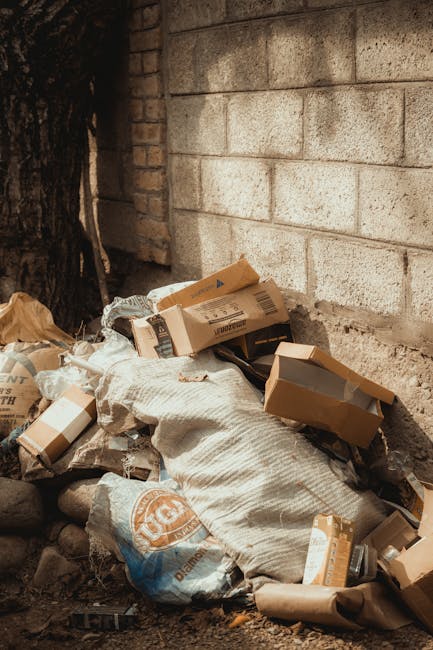
Near Brunel University, homes tend to see a lot of turnover. Students move out, flatshares change hands, parents help with end-of-term clear-outs, and landlords are often trying to reset a property between tenancies. That means household rubbish is not just a domestic nuisance; it can quickly become a practical problem. Bags left in communal hallways, bulky items in tight stairwells, and fly-tipped waste near shared access points can make a property look neglected very fast.
There's also the local reality. Uxbridge can be busy, parking is not always straightforward, and many properties near the university have narrow drives, limited loading space, or shared entrances. Let's face it, dragging a sofa through a small hallway at 8:00 a.m. before lectures or work is nobody's idea of a good morning. The right rubbish removal approach saves time, protects the property, and reduces friction with neighbours.
Good waste management also affects hygiene and safety. Overflowing rubbish attracts pests, creates odours, and makes rooms harder to use. For anyone preparing to rent out a room, sell a property, or simply enjoy a cleaner home, getting on top of removal early is a smart move. If you want a broader picture of local services, the services overview is a useful place to see how household clearances fit alongside other waste solutions.
How Household rubbish removal near Brunel University Uxbridge Works
In most cases, household rubbish removal is a straightforward collection service arranged around the type and volume of waste you need taken away. You describe what has to go, confirm access details, and arrange a suitable collection time. The team arrives, loads the waste, and transports it for sorting, recycling, or disposal according to the item type.
For a student flat, that might mean mixed bagged waste, a desk, a shelving unit, and a few small electricals. For a family home, it could be old furniture, loft clutter, garden waste, or items from a garage clearance. For a landlord, the job can sit somewhere in the middle: leftover household items, mattresses, broken appliances, and furniture from a previous tenant's move-out. Same postcode, very different mess. That's normal.
The key thing is that the service should be matched to the waste. Bulky items need a different approach from loose rubbish bags. Some materials can be recycled more easily than others. And if the job includes items like fridges, sofas, or anything with metal, wood, plastic, foam, or fabric, sorting matters. A well-run collection is not just about taking things away; it is about handling them sensibly.
If your clear-out includes furniture, a dedicated option such as furniture disposal in Uxbridge may be the cleanest fit. If the job is bigger and more mixed, house clearance in Uxbridge is often the more practical route.
Key Benefits and Practical Advantages
The obvious benefit is convenience, but there's more to it than that.
- Less lifting for you: No wrestling with mattresses, broken chairs, or heavy bin bags down stairs.
- Faster turnaround: A single visit can clear a room that would take you several exhausting trips.
- Better space use: Once the rubbish is gone, rooms feel usable again. Suddenly the spare room is a room, not a storage cave.
- Cleaner presentation: Handy if you are letting, selling, or simply trying to keep the place in decent shape.
- More responsible handling: Reusable and recyclable items can be separated from general waste where appropriate.
- Less neighbour friction: No bags left outside all weekend, no hallway blockages, no awkward comments in the lift.
There is also a mental benefit that people underestimate. Clearing rubbish creates momentum. One cleared room tends to lead to another. You open a cupboard and think, right, maybe I can sort that too. It snowballs in a good way.
For readers who care about waste reduction, it can help to read more about recycling and sustainability. That kind of mindset is especially useful when the clear-out includes mixed household items rather than just black bags.
Who This Is For and When It Makes Sense
This service is not only for big house moves. In fact, a lot of the most common jobs are quite modest. A few examples will sound familiar if you live around Brunel:
- Students moving in or out: End-of-term clear-outs, unfurnished rooms, and leftover clutter from a busy year.
- Flat-sharers: Shared spaces fill up with random items very quickly, and no one quite owns the rubbish. Classic.
- Families: When you finally tackle the loft, under-stairs cupboard, or garage, the pile can be bigger than expected.
- Landlords and letting agents: Quick, dependable removal between tenancies helps keep properties presentable.
- Home sellers and buyers: A clear property photographs better and feels easier to manage during completion week.
- People handling bereavement or downsizing: These jobs need care, and often a more flexible, respectful approach.
If you are already comparing options as part of a move or property change, the local context can help. The area around Brunel University includes a mix of student accommodation, residential streets, and busy transport routes. That means your rubbish removal needs may be very different from someone living on a quiet suburban cul-de-sac. For related local reading, home buying and selling in Uxbridge is useful background if your clear-out is linked to a property transaction.
Step-by-Step Guidance
Here is a practical way to handle household rubbish removal without overthinking it.
- Walk through the property room by room. Make a simple list of what needs to go. Don't just eyeball it from the doorway; the hidden stuff is always in the cupboards.
- Separate obvious categories. Group bagged waste, bulky furniture, electricals, textiles, and anything recyclable if you can.
- Check access. Note stairs, lifts, parking restrictions, gate codes, and any time windows that matter.
- Take a few photos. This makes quoting easier and reduces the chance of surprises on the day.
- Be clear about awkward items. Mattresses, wardrobes, sofas, and broken appliances often change the scope of a job.
- Choose a realistic collection time. For shared homes, a morning slot may be less disruptive. For student lets, afternoon may be easier if people are still sleeping after a late night. Been there, awkward enough.
- Clear pathways before the collection. Move smaller items out of the way so the team can work safely and quickly.
- Ask what happens next. A good provider should explain sorting, recycling, and disposal in plain language.
If the job involves larger quantities, it can be worth asking for a more structured collection or clearance rather than trying to split the work over several days. A small job can turn into a proper nuisance if it drags on too long.
Expert Tips for Better Results
After you've seen enough clear-outs, patterns become obvious. The smooth jobs all share a few habits.
- Do not mix genuine rubbish with items you still want. Sounds obvious, but a lot of people do it while rushing.
- Label anything staying behind. That helps avoid accidental removal in shared houses or cluttered flats.
- Keep a small "decision box" separate. If you are unsure about a few items, don't let them slow the whole job down.
- Think about the end use of the space. A room being repurposed needs different clearing priorities from a room that is just being tidied.
- Ask about bulky item handling in advance. It saves awkwardness when the crew turns up and finds a heavy wardrobe wedged in a corner.
- Be honest about quantity. Underestimating volume usually makes the day more stressful, not less.
One practical detail people miss: household rubbish near a university area often includes a mixture of personal and shared items. That means consent and communication matter. If you live in a shared house, make sure everyone knows what is going and when. Otherwise someone will emerge from their room asking where the kettle disappeared to. Not ideal.
If your clear-out includes damaged sofas, worn chairs, or large flat-pack remnants, the page on furniture disposal in Uxbridge gives a good sense of how bulky items can be handled efficiently.
Common Mistakes to Avoid
Most rubbish removal headaches come from a few avoidable errors.
- Leaving everything until the last minute. That is how small jobs become frantic jobs.
- Guessing the volume badly. A single hallway pile can hide far more waste than you think.
- Ignoring access issues. Tight parking or no lift access can affect timing and collection logistics.
- Mixing different waste streams without thinking. Household waste, bulky items, and recyclable materials may need different handling.
- Forgetting about shared-space etiquette. Communal areas should not be blocked. Ever.
- Assuming every item can go with general rubbish. Some items need special handling or separate disposal routes.
Another common issue is emotional overload. Sounds dramatic, but it happens. Clearing a relative's home, preparing for a move, or tackling months of accumulated clutter can be tiring. In those moments, people make rushed decisions and regret them later. Slow down a touch. You do not have to clear the whole world in one afternoon.
Tools, Resources and Recommendations
You do not need a van and a warehouse full of gear to manage a household clear-out well. A few simple tools help more than people expect.
- Heavy-duty bags or boxes: Useful for sorting loose household waste before collection.
- Labels or marker pens: Handy in shared homes, especially if some items are staying.
- Gloves: Basic, but important for safety and comfort.
- Measuring tape: Very useful if you need to know whether a bulky item will fit down stairs or through a doorway.
- Phone camera: Photos make it easier to communicate the scope of the job.
On the service side, these pages are genuinely useful for planning a wider clean-up:
- general waste collection in Uxbridge for mixed domestic rubbish
- house clearance when the job is more substantial
- garden waste removal if your outdoor space has become part of the problem
- builders waste disposal if renovation debris has crept into the household mix
If you want a better overview of how services are grouped and what each one is best suited to, the services overview is a sensible read. It helps separate ordinary domestic waste from bulkier or specialist clearances. Nice and simple.
Law, Compliance, Standards, or Best Practice
Household rubbish removal in the UK should be handled carefully, even if the job looks simple on the surface. The main thing to keep in mind is that waste should be transported and managed responsibly. That usually means using a provider that follows recognised waste-handling practice, keeps appropriate records where required, and takes waste to suitable facilities rather than dumping it anywhere convenient. Convenient for whom, exactly? Not the neighbour who ends up looking at it for months.
For householders, the practical best practice is straightforward:
- Do not leave waste in communal spaces longer than necessary.
- Do not assume another person will deal with your rubbish if it is in a shared property.
- Keep electrical items, sharp objects, liquids, and hazardous materials separate until you know how they should be handled.
- Ask how the waste will be sorted and where it is likely to go.
If you are arranging removal around a rental property, student accommodation, or a property sale, it is wise to keep things tidy and documented. That does not mean overcomplicating the process. It simply means being clear, sensible, and ready for questions if they come up.
For readers who want to understand the business side as well, pricing and quotes explains how to think about costs in a way that avoids surprises, while payment and security covers the basics of paying safely and confidently.
Options, Methods, or Comparison Table
Not every household rubbish problem needs the same fix. Here is a simple comparison to help you choose the right route.
| Option | Best for | Strengths | Watch-outs |
|---|---|---|---|
| DIY trip to the tip | Very small loads and people with transport | Simple, direct, can suit a few bags | Time-consuming, lifting involved, parking and loading hassle |
| Ad hoc curbside disposal | Nothing, really, unless specifically allowed | Feels easy in the moment | Risk of fly-tipping issues, neighbour complaints, poor presentation |
| Dedicated household rubbish removal | Mixed domestic waste, bulky items, room clear-outs | Fast, convenient, managed professionally | Needs clear item description and access details |
| Full house clearance | Large clear-outs, downsizing, end-of-tenancy resets | Best for bigger, more complex jobs | Can be more involved than a basic removal |
For most homes near Brunel University, the dedicated rubbish removal option is the sweet spot. It is flexible enough for student moves and domestic clutter, but not overkill if you only have a moderate amount of waste.
Case Study or Real-World Example
A typical example: a three-bedroom shared house a short distance from campus has just emptied out after the academic year. One room contains a broken desk, a small bookcase, a lamp, several bagged items, and a mattress. The kitchen has duplicate utensils, an old toaster, and a few boxes of mixed bits that no one wants to claim. The hallway is tight, parking is awkward, and everyone is trying to leave at different times. Lovely.
The cleanest solution is usually to sort the obvious items first, separate anything reusable, photograph the load, and arrange a collection with access details clearly explained. That avoids wasted time on the day. The mattress and desk are removed safely, the smaller rubbish is loaded in one go, and the property is left ready for cleaning and handover. The result is not glamorous, but it is a huge relief.
In our experience, that's the moment people notice how much mental space clutter was taking up. The rooms sound different too. Less echo from piles of things, more of that quiet, hollow "right, we're done" feeling. Small win, but a real one.
If you are dealing with a transition period around a property, the local perspective in this guide to rubbish collection on Uxbridge High Street can add useful context about everyday collection needs in the area.
Practical Checklist
Use this before your collection day.
- Confirm exactly what needs removing.
- Separate items you want to keep.
- Check whether any items are bulky, fragile, or awkward.
- Take photos of the waste pile if helpful.
- Note stairs, parking, gates, lifts, or access codes.
- Make sure shared-housemates know what is happening.
- Move clear items out of the way so the crew has space to work.
- Ask about recycling or reuse where relevant.
- Keep payment and booking details handy.
- Do a final sweep of cupboards, under beds, and behind doors. The classic hiding spots.
That final sweep matters more than people think. It is always the tiny corner bag, the odd charger, or the one remaining kitchen pan that gets missed. Always.
Get a free quote today and see how much you can save.
Conclusion
Household rubbish removal near Brunel University Uxbridge is ultimately about making everyday life easier in a busy part of the city. Whether you are a student, a tenant, a landlord, a homeowner, or someone helping a family member clear a property, the right approach saves time, reduces stress, and keeps your space usable.
The best results usually come from a simple plan: know what has to go, be honest about access, choose the right level of service, and avoid leaving things to drift. Nothing fancy. Just a practical approach that respects your time and your property.
If you are preparing for a move, a reset, or a long-overdue declutter, take it one clear step at a time. The first bag out the door is often the hardest. After that, it starts to feel lighter, and so do you.

 Tipper Van - Rubbish Removal and Rubbish Disposal Prices in Uxbridge, UB8
 Luton Van - Rubbish Removal and Rubbish Disposal Prices in Uxbridge, UB8


